
Best Ways to Book Business Class for Company Travel
Business class can significantly improve productivity on work trips, but full fares and company policies often stand in the way. This guide breaks down practical, policy-friendly ways corporate travellers can access business class comfort without paying full price.

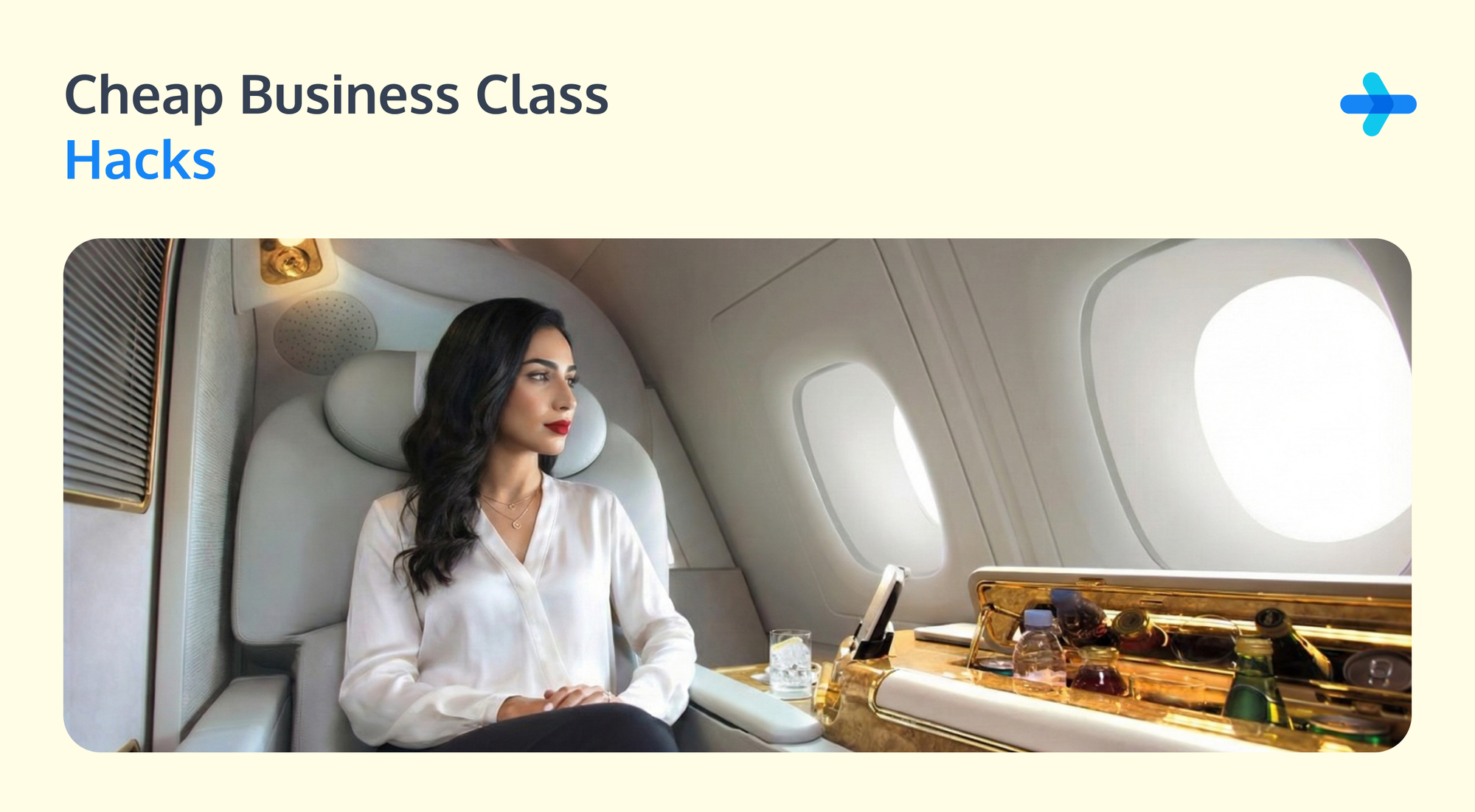
Business class provides comfort and ease and that’s what boosts productivity when you are travelling.
When your travel is comfortable, you arrive rested, you can work more efficiently, and you’re less likely to lose your day to jet lag.
However, business-class fares are often costly, and most companies allow them only on very long flights or for senior leadership roles.
The upside is that corporate travellers have legitimate, police-friendly ways to book business class flights.
Here, we will share some practical strategies to fly business class while staying within company travel rules.
Start with your company’s approved options - they’re more traveller-friendly than you think
Most organizations tie with travel management companies or business travel and expense management platforms, which avail discounted prices from airlines and hotels.
First, check your company travel policy for:
- Cabin eligibility guidelines (e.g., business class permitted on flights over X hours or on red-eye routes)
- Approved airlines and booking platforms
- Upgrade eligibility and methods (e.g., cash upgrades, miles, or certificates)
Buy the “right” economy or premium economy fare - then upgrade
If you can’t book business class outright, the next-best option is: Choose a fare that’s easy to upgrade.
What to do in practice:
- When booking an economy option, don’t always focus on the lowest price. Cheap fares can’t be changed or upgraded. Paying a little more for an upgrade-eligible fare gives you a better chance to move to a higher class later if an upgrade becomes available.
- If your company policy allows it, booking Premium Economy on long flights can be a smart middle option. It costs much less than business class but is more comfortable than economy. More importantly, it often makes it easier to upgrade to business class later if a seat opens up.
Use elite upgrade instruments strategically
If your frequent travel has rewarded you with airline status, one of the most valuable benefits is access to upgrade currencies or certificates. These can be applied to eligible economy or premium economy fares to request an upgrade to business class.
While upgrades depend on availability and fare rules, using them on the right routes and fares can secure a business-class seat without paying the full business-class price, while still adhering to the company's travel policy.
Smart strategy for work travel: Save your best upgrade instruments for:
- Long-haul or overnight flights
- Trips where performance matters (presentations, workshops, negotiations)
- Routes with multiple daily flights (more chances for upgrade availability)
Don’t ignore “paid upgrade offers” after booking (they can be the sweet spot)
Many airlines now try to make extra money from their premium seats by offering paid upgrades instead of leaving those seats empty. These upgrade offers often appear at key moments, such as:
- right after you buy your ticket
- when you check in online
- or at the airport gate before boarding
In short, timing matters: the closer it is to departure, the more motivated the airline is to fill premium seats, which can create good upgrade opportunities for passengers.
Consider upgrade bidding programs
Some airlines let passengers bid for an upgrade. Instead of a fixed price, you name the amount you’re willing to pay, and if the premium seat doesn’t sell, the airline may accept your offer and move you to a higher cabin.
Winning a bid is not guaranteed, even if you offer a decent amount. The airline decides based on seat availability, demand, and the bids from others.
In addition, these upgrades often come with limited benefits. You might get the bigger seat and extra legroom, but not always perks like lounge access, priority services, or extra miles.
It’s best to think of bidding programs as a way to buy more comfort on the plane, rather than a full business-class experience. They can be a good deal, especially on long flights, but you should read the fine print so you know exactly what is and isn’t included.
Use price tracking and timing to avoid overpaying
If you travel the same city pairs often, you’ll start to notice pricing patterns. Tools like Google Flights let you track a specific route and alert you when prices drop.
Google also shares insights from its pricing data like best booking windows for peak seasons, and tips such as flying Monday-Wednesday or choosing layovers to save.
For work travel, even if you book through a corporate tool, price tracking can still help you:
- Spot when a route is good value for business travel
- Time bookings within policy-approved windows
- Support exception requests (e.g., “business class is only slightly higher than premium economy today)
Make policy and comfort your pitch
If you need an exception or want approval for an upgrade, frame it in business terms, not comfort.
Focus on measurable impact:
- Productivity: Ability to work during the flight and arrive ready for meetings
- Risk reduction: Lower chance of fatigue-related delays, errors, or missed meetings
- Total trip cost: One extra hotel night or a lost workday can cost more than the fare difference
- Trip efficiency: Fewer recovery days means faster turnaround and better outcomes
- Duty of care: Reduced physical strain on long or overnight flights
When Better Travel Becomes Better Business
Booking business class for work travel doesn’t have to mean breaking policy or blowing the budget. With the right approach, understanding company rules, choosing upgrade-friendly fares, using airline benefits wisely, and timing bookings carefully, corporate travellers can access business-class comfort without paying full price.
The key is to treat business class as a business decision, not a luxury. When comfort directly supports productivity, reduces risk, and lowers total trip costs, it aligns with what finance and leadership actually care about.