
Business Travel in Hong Kong, China: Everything You Need To Know
Before flying to Hong Kong, review crucial visa rules and must-know business travel tips for a seamless work trip.

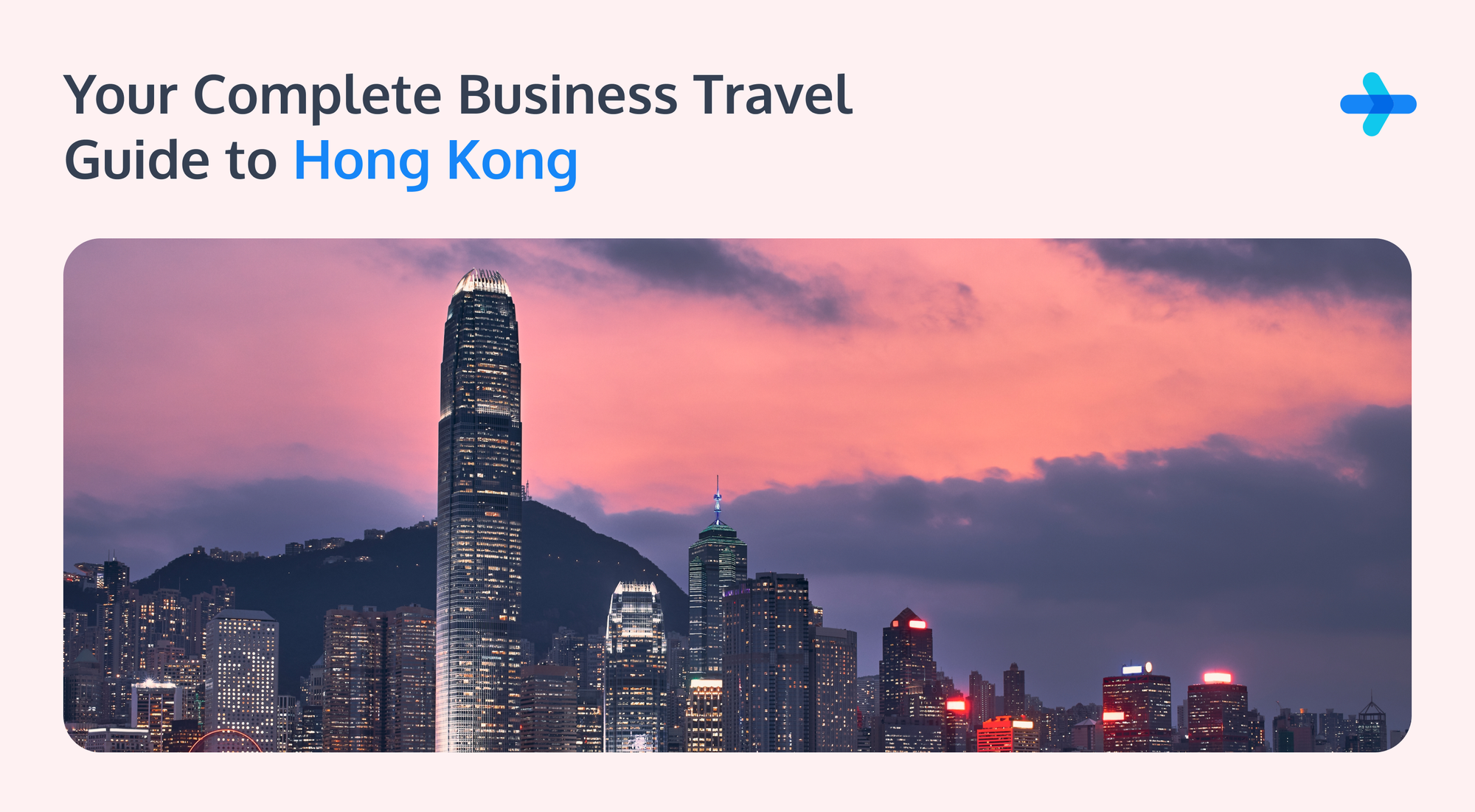
Hong Kong is a perfect sight of a one-of-a-kind fusion of Chinese culture and modern innovation. For business travellers around the world, it has been a gateway to Asia, whether one is flying in for meetings, conferences, or a long-term project; knowing how to navigate Hong Kong thoroughly will make your work trip more productive, smooth, and enjoyable.
In this guide, we will cover everything that you need to know for a successful corporate trip to Hong Kong - let’s get underway.
Entry Requirements & Travel Documents
Hong Kong's entry rules vary depending on your nationality and the purpose of your visit. Before you pack your bags, take a moment to review the latest rules, making sure that your work trip is a smooth and stress-free experience.
Visa Requirements
Most of the Western passport holders, including the US, UK, Canada, Australia, and many EU countries, can enter Hong Kong visa-free for short stays, anywhere from 7 to 180 days, depending on nationality.
Asian countries such as Japan, South Korea, Singapore, and Malaysia also enjoy generous visa-free entry.
However, some nationalities do require a visa in advance, especially for extended stays or for study and work.
Note: Visa policies are subject to change, so you should always check the Hong Kong Immigration Department website or your airline for the most up-to-date information before flying.
Passport Validity
Make sure your passport is valid for at least 6 months from the day you arrive. Immigration officers may deny entry if your passport is close to expiring, even if your nationality allows you to enter the country visa-free.
Arrival Procedures at the Airport
Hong Kong International Airport is well-known as the most clean, and well-organized airport. Once you land:
- Follow the signs to Immigration / Passport Control. /They are easy to spot and available in English and Chinese.
- At passport control, the officer may ask:
- Purpose of your visit
- Duration of stay
- Return/onward flight details
- Proof of accommodation
Usually quick and simple for short-term tourists.
- After immigration, follow the signs to Baggage Claim, where luggage arrives quickly compared to many major airports.
- Next, you’ll pass through Customs. Hong Kong has strict rules on:
- Declare large amounts of cash
- Follow Red/Green channel rules
- Avoid prohibited items
- Respect limits on tobacco, alcohol & food
- Carry permits if required (weapons, meds, plants, animals)
It’s best to review these rules beforehand, Hong Kong is strict, and penalties apply for false declarations.
What Happens After Customs
- You’ll enter the Arrival Hall, where you can find currency exchange, ATMs, SIM card counters, transportation desks, and maps.
- Transportation options (Airport Express, taxis, buses) are clearly marked.
For a full breakdown of the arrival process, visit:
https://www.hongkongairport.com/en/passenger-guide/arrivals/
Business Etiquette & Culture
The business culture in Hong Kong is formal, fast-paced, and punctual.
Now let's look at the must-knows:
- Be punctual: Arrive on time, or early. It shows professionalism.
- Exchange business cards: Using both hands, give and receive cards. Take a moment to read the person's card before keeping it.
- Be polite and professional: Communication tends to be direct but respectful.
- Formality during meetings: Greetings are often a slight nod or by shaking hands. Titles are important, use "Mr.", "Ms." or professional titles unless invited to use first names.
- Dining etiquette matters: If you are invited for a business meal, wait for the host to start. Dim sum, Cantonese banquets, and seafood restaurants are common venues for business dining.
Local Laws & Important Rules
Hong Kong is known for its strong legal system and strict enforcement.
Things to keep in mind:
- Avoid littering - the fines are heavy.
- Public behavior is expected to be respectful.
- Corruption laws are very strict, and high value gifts may not be suitable for professional settings.
- Always check updates from official travel advisory sources for the latest regulations.
Getting Around Hong Kong
Hong Kong's transportation network is one of the best in the world.
- MTR (subway): Fast, clean, and covers almost all major districts.
- Buses and trams: Excellent for city rides.
- Airport Express: The fastest way to get from Hong Kong International Airport to the city center.
- Taxis: Non-polluting and relatively inexpensive, different colors serve different regions.
- Octopus Card: A tap-and-go card used for transport, cafes, convenience stores, and more; highly recommended for business travelers.
Pro Tip: Avoid peak travel hours (8 - 10 am, 5 - 7 pm) whenever you can.
Where to Stay: Best Business Districts
Choose your hotel according to the nature of your work:
Central: The main business hub with top offices, banks, and premium hotels.
Admiralty: Next to Central, great for business stays with easy MTR (Mass Transit Railway) access.
Sheung Wan: Close to Central, good for smaller companies, co-working, and convenient hotels.
Wan Chai: Ideal if you’re visiting the Convention Centre or want a mix of business and dining.
Causeway Bay: Busy commercial area, great for retail-related work and plenty of hotel choices.
Tsim Sha Tsui (TST): Major Kowloon business zone with many hotels and easy transport across the harbour.
The Work Environment
Hong Kong offers excellent work facilities:
- Strong internet connectivity.
- Modern co-working spaces.
- Hotels with efficient business centres.
- Wide availability of SIM cards and eSIMs.
- Standard electrical outlets: Hong Kong uses Type G plugs (three flat pins) and sometimes Type D (three round pins). The electricity supply is 220V, 50Hz.
- Normal office hours are from Monday to Friday, 9 AM to 6 PM, though overtime culture may be prevalent in certain industries.
Money, Payments & Tipping
A quick overview of what to expect when it comes to currency, cashless payments, and tipping etiquette in Hong Kong.
- Hong Kong uses the Hong Kong Dollar (HKD).
- Almost all establishments accept credit cards, but it is good to have some cash for small shops or local cafes.
- The Octopus Card is very convenient for day-to-day purchases.
- It is not obligatory, but tipping in restaurants with small change or rounding up is welcome.
Safety & Emergency Information
Hong Kong is considered very safe for business travellers.
Yet it is still important to stay aware:
- Keep valuables secure in crowded areas.
- Be cautious of unofficial taxis.
- Keep current with local news and advisories.
- In case of emergencies, dial 999.
- U.S. citizens should consider enrolling in the Smart Traveler Enrollment Program (STEP), which provides updates and helps consulates reach you in urgent situations.

Language & Communication
English is widely available, and these key tips will help you communicate and navigate the city with ease.
- Cantonese is the most spoken language, while English is widely used in business, transportation and services.
- Most signs, menus and official documents include English.
- Useful apps include Google Maps, MTR Mobile, Translate apps and taxi apps.
Dining & Business Meals
Food plays a huge part in the culture of Hong Kong. During business lunches or dinners:
- In traditional restaurants, let the hosting person order.
- Try a variety of dishes - sharing plates is customary.
- Tea is often served before meals.
- From dim sum to rooftop bars, Hong Kong offers endless dining options both for casual and formal meetings.
After-Work Activities & Things to Do
If time allows after meetings, Hong Kong has plenty of options:
- Victoria Harbour & Star Ferry
- The Peak
- Tsim Sha Tsui Promenade
- Mong Kok markets
- Lan Kwai Fong nightlife
- Museums and cultural spots
- Hiking trails for nature lovers
Practical Tips for a Smooth Trip
A little preparation goes a long way, here are a few quick essentials to help you travel comfortably and confidently.
- Summer: Pack light clothing. Winters are mild but cool.
- Bring a compact umbrella; rain is frequent.
- Download local apps before traveling.
- Avoid carrying large amounts of cash.
- Be prepared for highly air-conditioned indoor spaces.
The Bottom Line
A business trip to Hong Kong can be both efficient for work and exciting for travel. With its futuristic infrastructure, thriving financial sector, and a buzzing cosmopolitan vibe, Hong Kong is the prime destination for business travellers in Asia.
Knowing a bit of local etiquette in advance, and a few insider tips will help you get the most from your time in this extraordinary city.